Company
RubyLife
Product
Ashley Madison
Segment
Dating
Role
Product Designer
Research Methods
Competition analysisUser interviewsSurveysA/B Testing
Ideation
WorkshopsUser journeysUser flowsPaired sketching
The Challenge
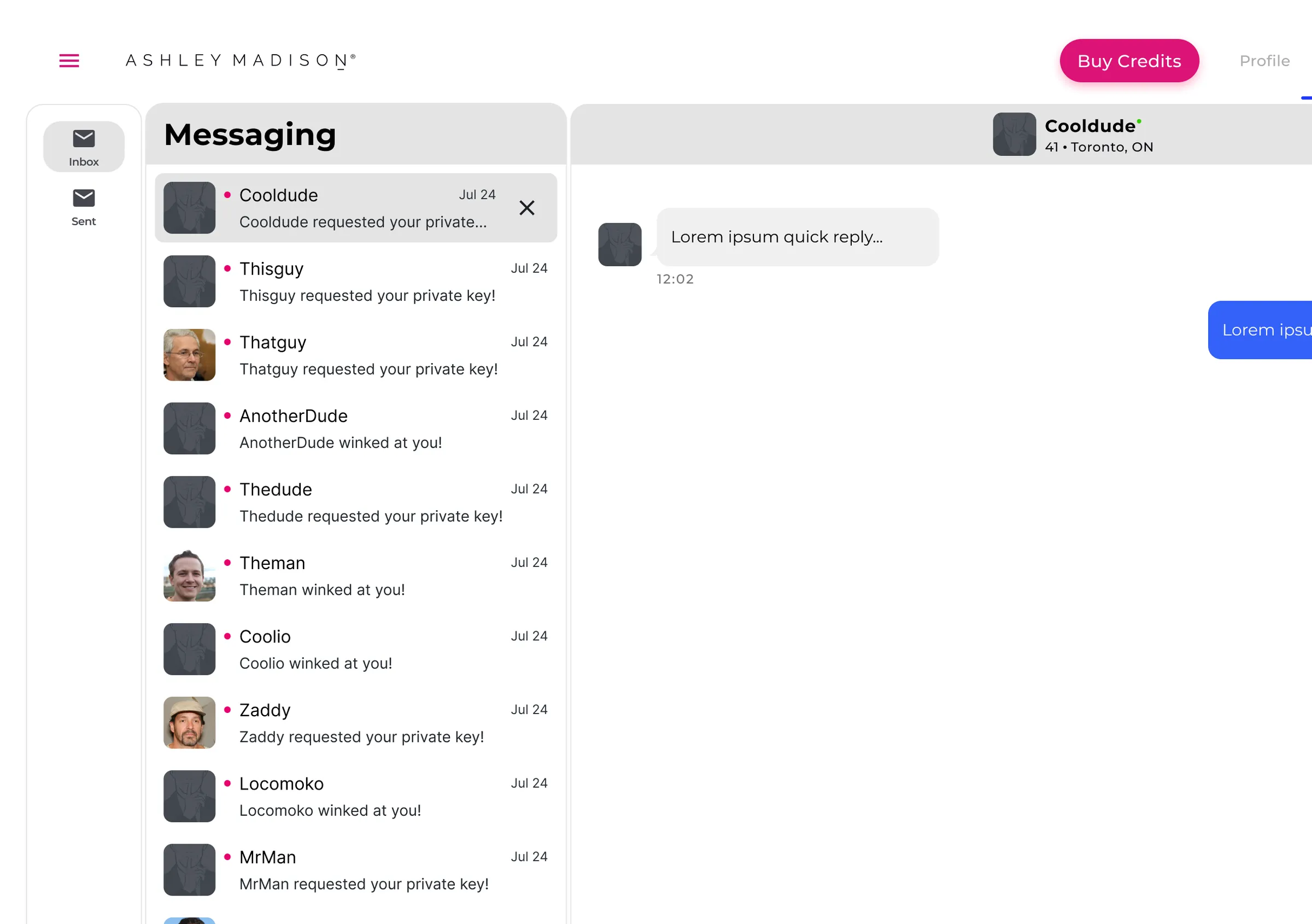
The platform was facing two issues:
- Female users were overwhelmed with a high volume of low-quality messages and requests, diminishing their experience
- Many male users, though interested, lacked a clear incentive to upgrade their accounts to the full paid version
The Goal
To create a monetization system that improved platform quality and increased revenue without compromising user experience. Specifically:
- Reduce spammy or low-effort interactions
- Encourage high-intent behavior from male users
- Introduce a fair and intuitive paywall system
- Increase conversions without disrupting user experience
Research
We combined user interviews, surveys, and competitive analysis to understand where the platform's incentives were breaking down:
- Female users cited message fatigue - Interviews and surveys pointed to a flood of low-effort, automated-feeling messages as the top complaint
- Male users lacked a clear reason to upgrade - Without a natural trigger, buying credits felt optional rather than necessary
- Competitors staged their paywalls - Competitive analysis showed successful platforms introduced limits only after users had already invested time in the product, not on day one
These insights shaped a strategy built around timing, transparency, and scarcity—rather than blocking access outright.
Solution
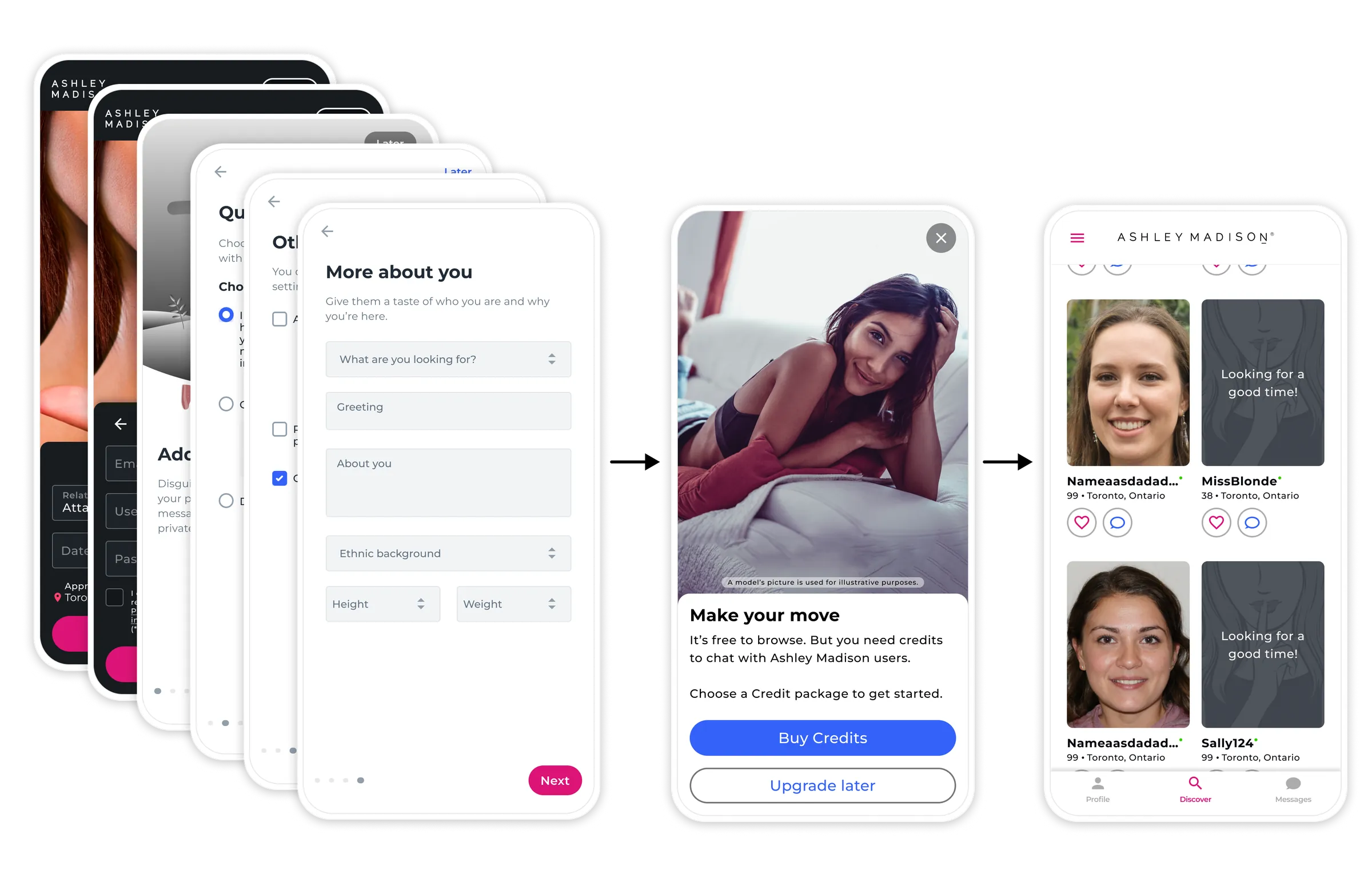
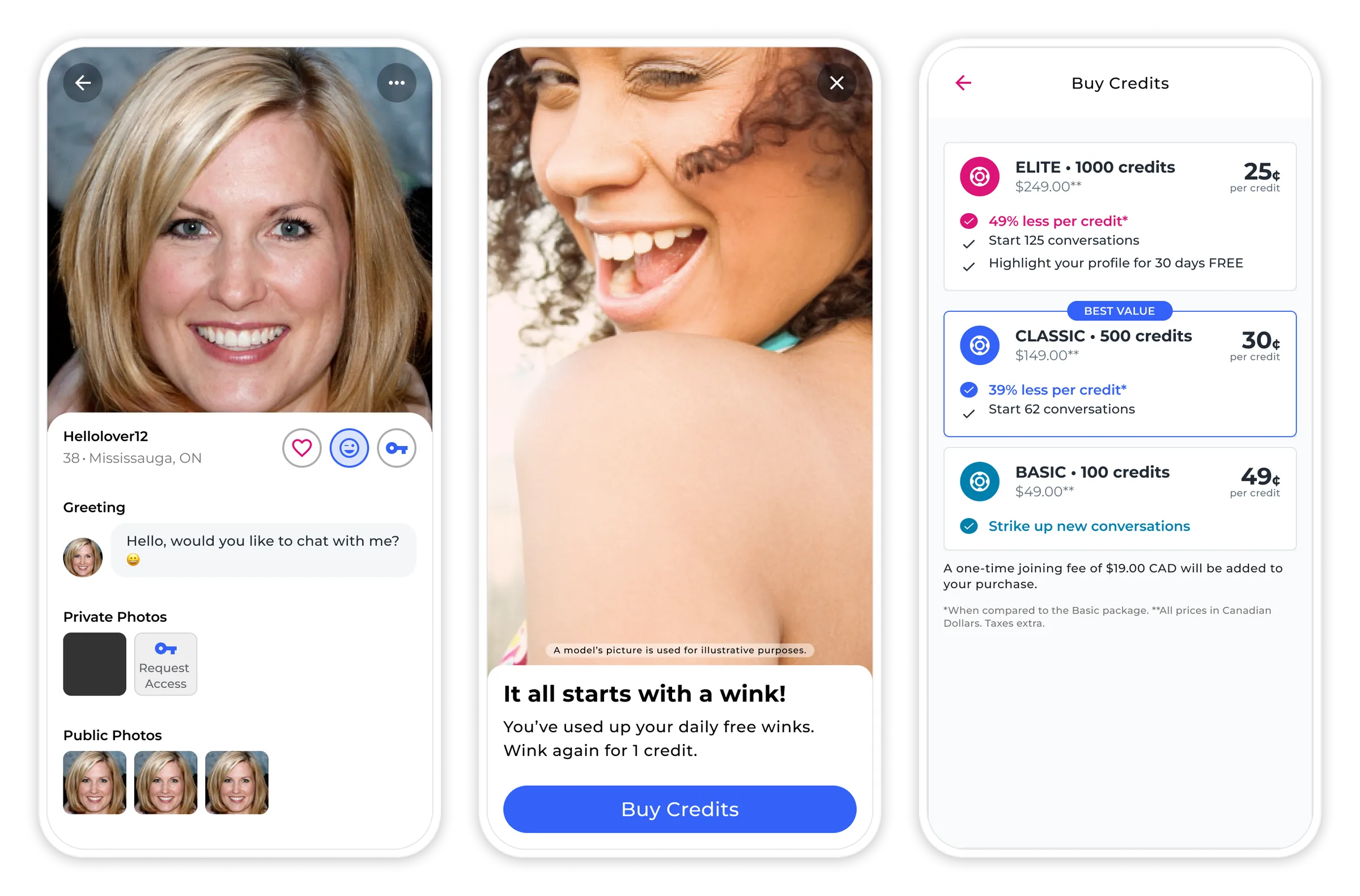
Paywall 1: Early Expectation Setting
Immediately post-signup, users were introduced to Ashley Madison’s credit-based messaging system, which:
- Set expectations early that meaningful actions require credits
- Expectations prevented later friction and improved transparency
- Pricing tiers were displayed when exploring credit package options
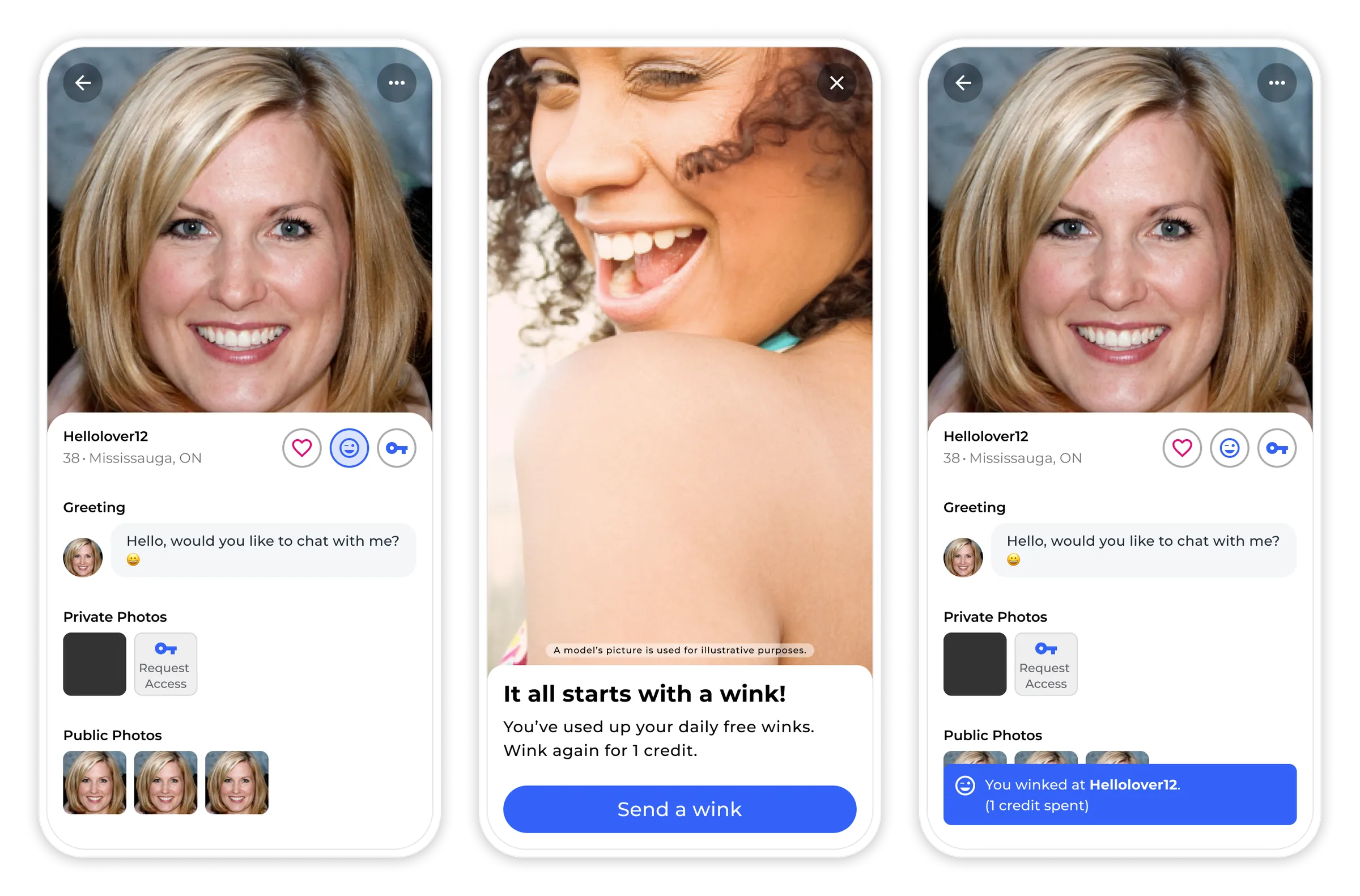
Paywalls 2 & 3: Scarcity-Driven Conversions
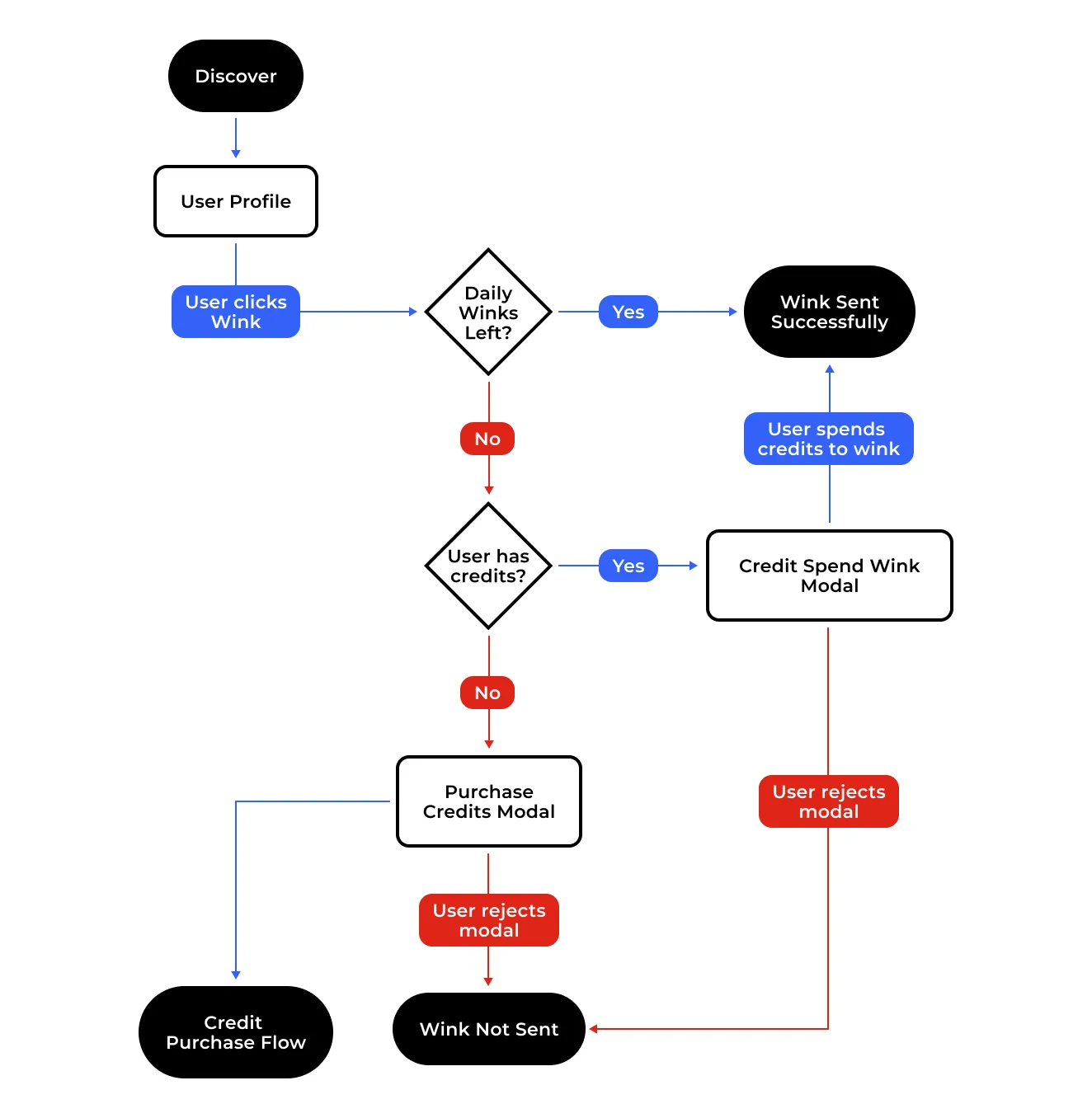
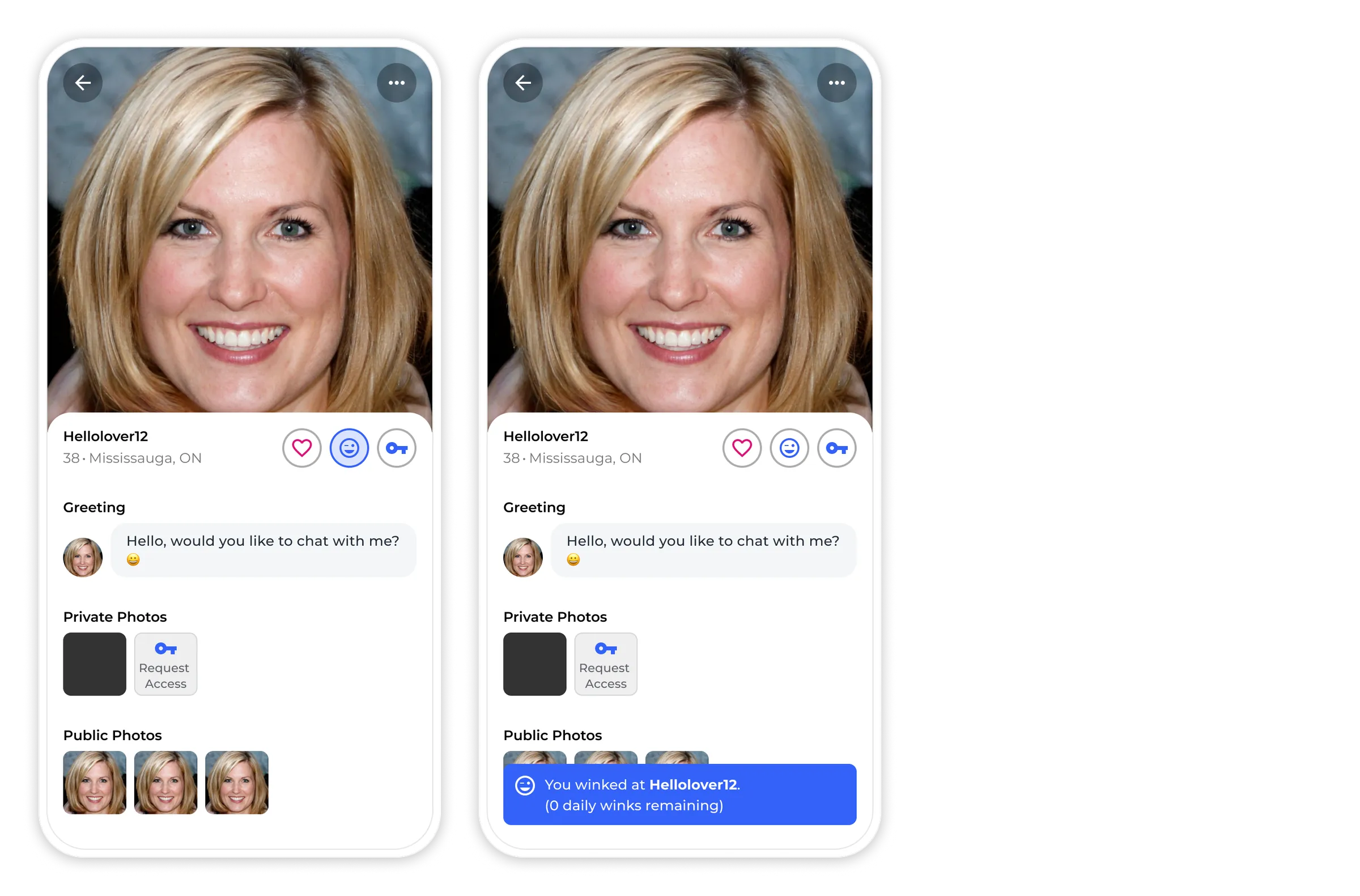
We then modified two previously unlimited features, Private Key Requests & Winks, with the following:
- Limited to 3 free requests per day
- Further winks prompted a subtle paywall modal
- Additional requests required credits
Key Design Decisions
- Three Free Actions Per Day - Encouraged trial but created enough scarcity to prompt upgrades
- Deferred Paywall Activation - Let users explore and interact before introducing any friction
- Soft Language and Design - Reinforced platform value instead of hard-selling credits
- Consistent UI Across Paywalls - Used a unified style and copy tone to reduce cognitive friction
Results
For Female Users
- Fewer low-effort interactions
- Higher quality engagement
- Less spam and increased satisfaction
For Male Users
- More selective and intentional interactions
- Increased response rates from female users
- Clear upgrade path with understandable value
Business Impact
- Notable increase in monthly recurring revenue
- Improved user retention, especially among high-intent users

Lessons Learned
- Scarcity works best when timed right - Users are more likely to convert when they’ve already invested effort
- Transparency improves trust - Introducing the credit system up front minimized confusion and churn
- A better user experience drives monetization - Prioritizing quality interactions over volume strengthened both user satisfaction and business performance
Next Steps
With the initial implementation successful, we started to explore:
- A/B testing alternate daily limits (2 vs. 3 vs. 5)
- Possibly restricting other parts of the website until a user has a positive credit balance
- Bundled incentives (e.g., credits + Prime) for high-intent users
- Analytics improvements for tracking conversion by user segment